Comment: 'Why Devolution matters to our VCSE sector'
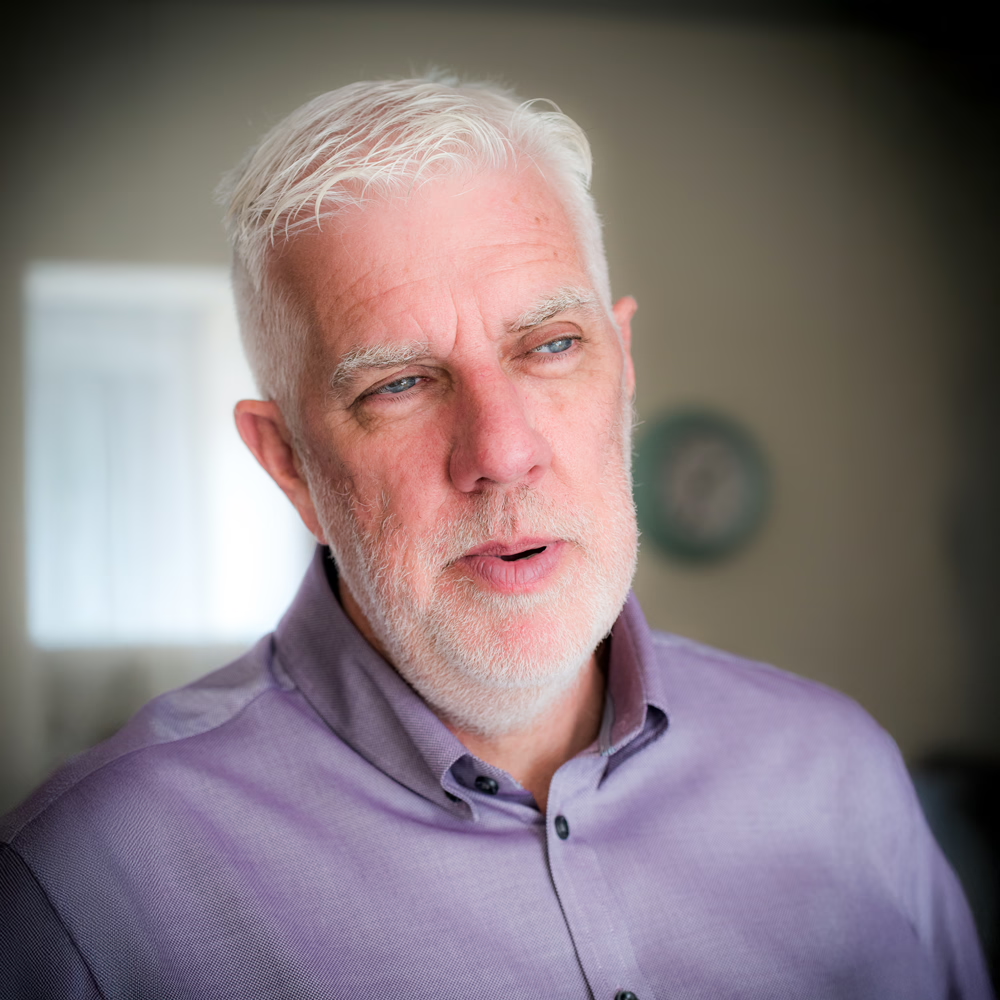
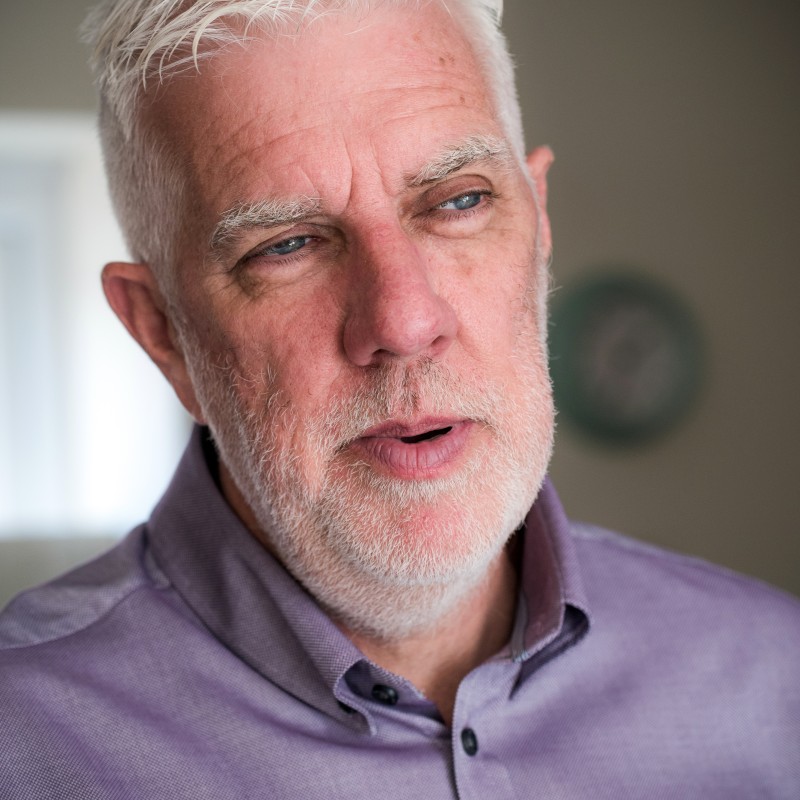
Over more than 40 years of working with voluntary, community and social enterprise (VSCE) organisations across Leicester and Leicestershire, I have seen repeatedly how much our sector contributes to the region.
VCSE organisations support people into employment, improve health and wellbeing, tackle poverty and inequality, strengthen communities and create new social enterprises. They reach residents who may distrust or struggle to access mainstream services and bring considerable external grant investment into the local economy. The sector also creates jobs, employs significant numbers and offers multiple volunteering opportunities, which for many is the pathway to a future career.
It also generates wealth for the region. Many of our local social enterprises are visitor attractions bringing money into the local economy.
I would not claim to speak for the VCSE sector in its entirety. It is broad, diverse and rightly contains a range of views. However, among the organisations and sector leaders I have spoken to, there is considerable support for accelerating Devolution for Leicester, Leicestershire and Rutland -and a growing concern about the financial consequences of continuing to fall behind.
The funding gap is already effecting us
The case for Devolution is not simply about creating another tier of administration or electing a regional Mayor. It is about gaining access to powers, resources and investment opportunities that are increasingly unavailable to areas without devolved government.
Around 48% of England’s population now lives in an area with mayoral devolved powers. Government is increasingly directing funding for transport, skills, housing, regeneration, business support and economic development through Mayoral Strategic Authorities (MSAs).
Leicester, Leicestershire and Rutland currently have no such authority.
The consequences are stark. Figures presented by the Devolution Leicestershire campaign indicate that:
- Our area currently receives no devolved funding for regional business support
- Tees Valley receives around nine times more skills funding than Leicester, Leicestershire and Rutland
- Leicester, Leicestershire and Rutland received nothing from £546 million of Local Growth Fund investment
- For every £1 received locally for transport, devolved areas can receive up to £19.
These are not abstract differences. They affect the availability of employment programmes, business advice, training, community infrastructure and support for people facing the greatest barriers.
They also affect VCSE organisations directly. Many locally delivered programmes have depended upon funding such as the UK Shared Prosperity Fund and its predecessors. These programmes have enabled community organisations to engage economically inactive residents, improve skills, support enterprise and help people progress into employment.
The highly successful project, Positive Communities, delivered by Bangladesh Youth and Cultural Shomiti, Pakistan Youth and Community Association, Wesley Hall Community Centre, Shama Women’s Centre, Somali Development Services, Youth Education Project, and my own Ethical Business Exchange, is a case in point. Having secured circa £1.75m from the Community Renewal Fund and the UK Shared Prosperity Fund - and having helped more than 3,500 economically inactive people over three
years from some of Leicester’s most deprived communities to move closer to and enter the labour market -funding for the project came to an abrupt end on 31 March this year.
That’s not the sort of funding VCSE organisations can generate themselves overnight and is an absolute necessity if we are to level up skills and employment opportunities across the city.
As funding increasingly moves towards devolved settlements, organisations in Leicester, Leicestershire & Rutland risk being excluded from opportunities routinely available elsewhere.
Devolution must include the VCSE sector
I support Devolution Leicestershire's call for an effective devolution agreement to be accelerated and for Leicester, Leicestershire and Rutland to receive fair interim funding while that agreement is developed.
However, my support comes with an important qualification: the VCSE sector must not be treated as a minor partner in the discussion.
Too often, economic strategies are developed principally between local government, universities and established business organisations. The voluntary and community sector may be consulted once the broad decisions have already been made or invited to contribute only to the parts of the agenda concerned with poverty, disadvantage or service delivery.
That approach seriously underestimates the sector.
VCSE organisations are employers, asset owners, purchasers, training providers, social investors and generators of economic activity. Social enterprises develop new products and services, trade in local markets and retain wealth within communities. Charities attract millions of pounds into the area from national grant programmes, trusts and foundations. Community organisations provide the relationships and local knowledge needed to ensure that economic opportunities reach people in disadvantaged neighbourhoods.
The sector does not simply repair the social consequences of a weak economy. It helps create a stronger, more inclusive and more resilient economy. It should therefore have a formal role in shaping the Devolution settlement, the Local Growth Plan and the programmes that follow.
Access to investment - not simply short-term contracts
Devolution could provide the VCSE sector with access to significant new opportunities. These might include:
- Longer-term employment and skills programmes
- Community-led business and enterprise support
- Social investment and patient finance
- Community ownership and refurbishment of local assets
- Neighbourhood regeneration funding
- Retrofit, community energy and net-zero programmes
- Preventative health and wellbeing initiatives
- Support for social innovation and community-based solutions
- Local procurement and social-value opportunities
- Capacity-building for smaller grassroots organisations.
However, this will happen only if the sector is incorporated into the design of these programmes from the beginning.
If Devolution merely transfers funding from central government to a new regional institution, without changing who participates in decisions or who can access investment, an important opportunity will have been missed.
We need funding arrangements that are accessible to smaller organisations, including those led by and embedded within communities experiencing inequality. That means proportionate application processes, realistic management costs, advance rather than retrospective payments where necessary, longer funding periods and investment in organisational capacity.
It also means recognising that VCSE organisations require core funding. We cannot continue expecting community organisations to deliver increasingly complex services while funding only short-term activity and making no contribution towards leadership, premises, governance, technology or organisational development.
Community wealth-building should be central
Devolution offers an opportunity to develop a serious community wealth-building strategy for Leicester, Leicestershire and Rutland.
Our councils, universities, NHS bodies, colleges, housing providers and other anchor institutions spend very substantial sums each year. A greater proportion of that expenditure could support local SMEs, charities and social enterprises.
The future strategic authority should therefore establish measurable commitments covering:
- Local and social procurement
- VCSE participation in public-sector supply chains
- Community ownership of land and buildings
- Payment of the Real Living Wage
- Local recruitment and workforce development
- Social investment in community enterprises
- Support for co-operatives and employee-owned businesses
- Retention of more public and institutional spending within the local economy.
Community buildings should also be recognised as part of the region’s economic infrastructure. They provide workspace, childcare, training, advice, digital access and routes into employment. Protecting and investing in these assets can generate lasting economic and social returns.
Meaningful representation should involve more than allocating a single seat to someone expected to represent thousands of very different organisations. It will require an effective mechanism through which grassroots groups, larger charities, social enterprises, infrastructure organisations and communities of interest can contribute evidence and influence priorities.
Representation must also reflect the diversity of Leicester, Leicestershire and Rutland. It should include organisations led by and working with ethnic-minority communities, disabled people, young people, rural communities and people experiencing poverty or economic exclusion.
The ten local councils have now requested the establishment of a MSA. That is an important step, but a full settlement may still take several years. Our region cannot afford to wait.
Alongside accelerating Devolution, the Government should provide fair transitional funding for skills, transport, business support, community infrastructure and inclusive growth. Local partners should also begin developing the necessary governance, investment priorities and delivery partnerships now.
The VCSE sector should be at that table from the outset. It should be recognised and engaged.
Who we are
Devolution Leicestershire is an industry-education-VCSE coalition.
Founded in 2026, its purpose is:
- To accelerate a Devolution deal for Leicester, Leicestershire & Rutland
- To press for fair Government funding for LLR while the Devo deal is done.

Chris Shaw is a Third Sector advisor running the Think Funding consultancy. He is also a Director of two social enterprises, Ethical Business Exchange Ltd, and Social Innovation People CiC. In 2025 he was awarded a Lifetime Achievement Award at the Niche Business Magazine Awards Ceremony for his contribution towards Leicester’s communities.