Comment: 'Devo can improve systems for vulnerable children'
.png)

Devolution in Leicester, Leicestershire and Rutland creates an opportunity far more significant than the debate about boundaries, governance or who collects the bins. It creates an opportunity to give our vulnerable children the future they deserve.
LLR’s Devolution settlement is not yet known, but we should already be thinking about what a future strategic authority, and potentially a mayor, should achieve.
Devolution matters particularly for vulnerable children because the current system is fragmented by design.
If LLR moves towards a Mayoral Strategic Authority (MSA), the first Mayor should be challenged to make vulnerable children one of the tests of whether Devolution is working.
A Mayor would not run children’s social care, write EHCPs or allocate housing. But the national Devolution framework gives MSAs influence across housing, skills, transport, health, economic development and public service reform. That reach should be used to bring councils, the NHS, schools, housing providers and charities around shared outcomes - with the Mayor held accountable for progress.
There is an economic opportunity too. MSAs are expected to develop Local Growth Plans and can access devolved funding and partnerships. Investment in transport, housing, skills and employment can improve life chances if disabled and care experienced young people are deliberately included. The question is not only how much growth we create, but who benefits from it.
SEND needs the same joined-up thinking. At Menphys we see the consequences of fragmentation regularly. Families do not arrive with a neat education issue, social care issue or health issue. They need respite, advocacy, appropriate education, healthcare or support through transition, usually in combination. Our transition work has shown how changes in education, health, legal rights and social care can leave parents coordinating systems that should be coordinating themselves.
If a mayoral model emerges, the first Mayor should establish a Children’s Devolution Plan with the two new councils, the NHS, schools, colleges, housing providers and the voluntary sector. It should be focused on outcomes including youth homelessness, care leaver stability, earlier SEND support, short breaks, transition into adulthood, mental health, employment and independence.
Those outcomes should also influence the Local Growth Plan, so that economic development is judged partly on whether it reaches people historically excluded from opportunity.
When we judge whether reorganisation and Devolution have worked, we should look not just at financial efficiency and governance. We should look at whether fewer care leavers become homeless, whether disabled children receive support earlier, whether families reach crisis less often and whether young people experience better transitions into adult life.
The risk is that we spend years reorganising local government and simply recreate the same divisions inside larger organisations. The opportunity is to build something more coherent, where housing understands care, education connects with health, children’s services plan for adulthood before adulthood arrives, and economic growth reaches those furthest from opportunity.
If vulnerable children are still falling through the same gaps at the end of the first mayoral term, devolution will not have done enough.
Who we are
Devolution Leicestershire is an industry-education-VCSE coalition.
Founded in 2026, its purpose is:
- To accelerate a Devolution deal for Leicester, Leicestershire & Rutland
- To press for fair Government funding for LLR while the Devo deal is done.
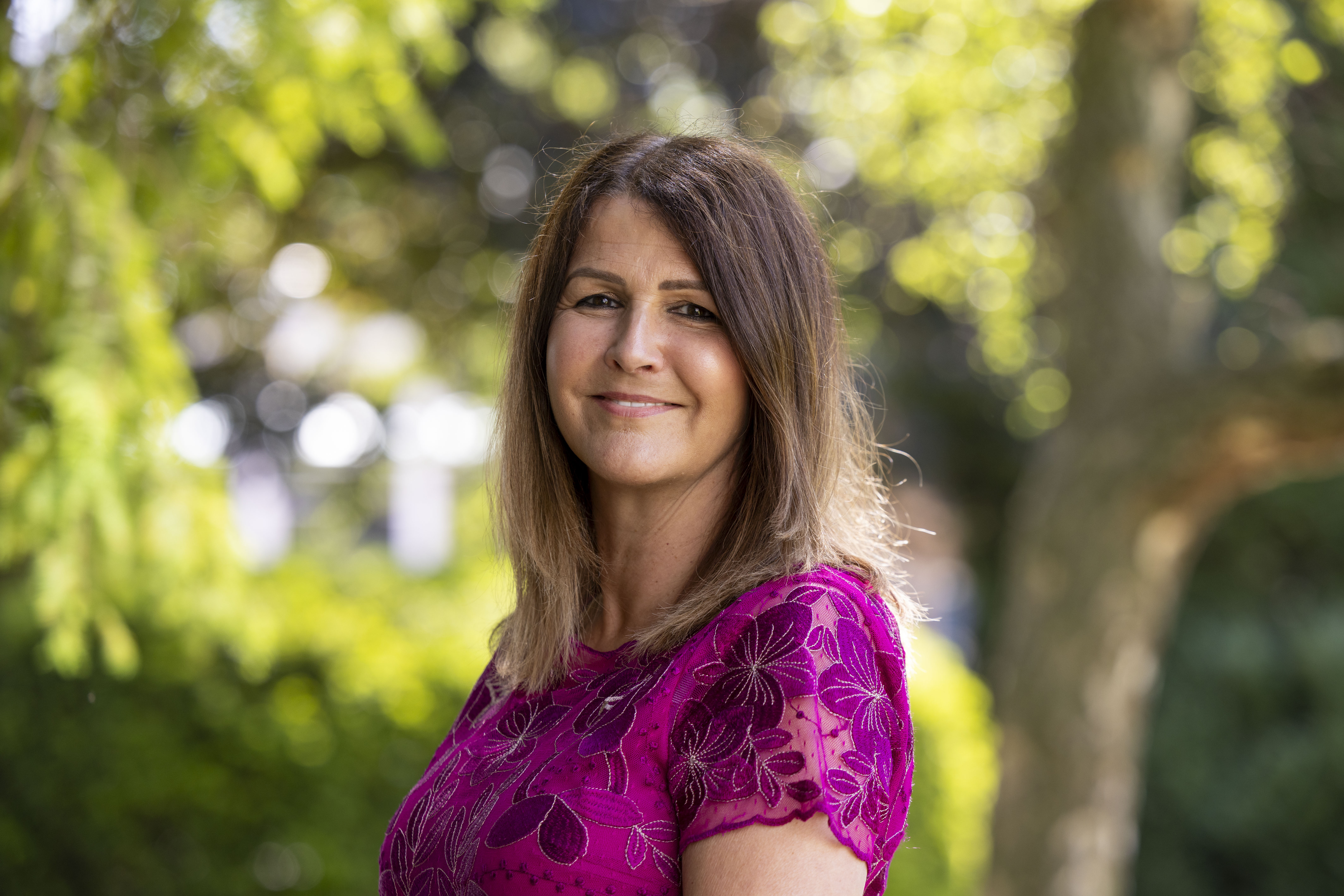
Robert Martin is CEO of Menphys, a Leicestershire based disabled children's charity, Children's Disability Rights Activist and Independent Chair of Pride in Place for Eyres Monsell. Robert has worked across LLR in health, social care, children's services and worked with central government to develop strategic children's policy.